Skip Navigation Penn Museum logo
  • My Finds 0
Online Collections
  • Browse

    Browse

    Search Collections
    Highlights
    Collections Map
    Objects On View
    Video/Film
  • About

    About

    About Collections
    Access the Collections
    Download Data
    Rights and Permissions
  • Read More

    Read More

    Journal (1919-1935)
    Bulletin (1930-1958)
    Expedition (1958-Present)
    Publications
    Our Blog: Penn Museum Voices
    Websites
  • Search
  • Browse
    • Search Collections
    • Highlights
    • Collections Map
    • Objects On View
    • Video/Film
  • About
    • About Collections
    • Access the Collections
    • Download Data
    • Rights and Permissions
  • Read More
    • Journal (1919-1935)
    • Bulletin (1930-1958)
    • Expedition (1958-Present)
    • Publications
    • Our Blog: Penn Museum Voices
    • Websites
  • Search
  • Penn Museum logo
Online Collections
My Finds 0
Online Collections

Search Collections

All Records


  • Object[30]
  • no[1]
  • yes[29]
  • no[23]
  • yes[7]
  • asian[30]
  • 3D Model[1]
  • altar frontal[1]
  • carving[1]
  • headdress[1]
  • jar[1]
  • jug[1]
  • pedestal[1]
  • reliquary[1]
  • ritual crown[1]
  • scroll painting[1]
  • statue[7]
  • statue base[2]
  • statuette[1]
  • stela[2]
  • stela base[1]
  • stupa[1]
  • stupa railing pillar[1]
  • thangka[4]
  • transom[3]
  • votive stela[1]
  • wall hanging[1]
  • amaravati[1]
  • buddhist temple[1]
  • china[11]
  • east tibet[2]
  • hebei[2]
  • henan[1]
  • india[2]
  • japan[7]
  • ladakh[1]
  • li cheng[1]
  • nepal[2]
  • shandong[1]
  • shanxi[1]
  • tibet[6]
  • xiangtangshan[2]
  • eastern wei dynasty[1]
  • edo period[1]
  • late andhra[1]
  • meiji period[1]
  • ming dynasty[3]
  • northern qi dynasty[3]
  • pala[1]
  • tang dynasty[1]
  • wanli[2]
  • wei dynasty[1]
  • bonpa sect[1]
  • buddhist[30]
  • chan buddhist[1]
  • chinese[11]
  • indian[2]
  • japanese[7]
  • lamaism[1]
  • nepalese[2]
  • tibetan[8]
  • akshobhya[1]
  • akshobhya buddha[1]
  • altar[1]
  • amitabha buddha[3]
  • amoghasiddha[1]
  • amoghasiddhi buddha[1]
  • apsaras[1]
  • attendant[1]
  • avalokitesvara[1]
  • bhumisparsa mudra[1]
  • bird spirit king[2]
  • birth of the buddha[1]
  • bodhisattva[2]
  • buddha[5]
  • buddhist deity[1]
  • carriage[1]
  • chorten[2]
  • dancers[1]
  • deer[1]
  • demon[1]
  • descent from tavatimsa heaven[1]
  • devas[1]
  • dhyani buddhas[1]
  • donor[1]
  • dragon[5]
  • eight buddhist symbols[3]
  • eighteen luohans[1]
  • elephant[2]
  • elephant spirit king[2]
  • fish spirit king[1]
  • five dhyani buddhas[1]
  • flowers[2]
  • garden[1]
  • garuda[1]
  • gate[1]
  • green tara[1]
  • guanyin[1]
  • guard[1]
  • guardian[1]
  • horse[2]
  • horses[1]
  • incense burner[2]
  • jewel[1]
  • jewel-spitting mongoose[1]
  • jewels[4]
  • kinnara[1]
  • kubera[1]
  • lamas[1]
  • life of the buddha[1]
  • lion[30]
  • lion cub[1]
  • lion spirit king[1]
  • lokapala[1]
  • lotus[7]
  • lotus sutra[1]
  • luohan[1]
  • mahakala[1]
  • makara[1]
  • manjusri[3]
  • mara[1]
  • mgon po[1]
  • miracle of sravasti[1]
  • miracle of the four begging bowls[1]
  • monks[3]
  • monogram[1]
  • mountain spirit king[2]
  • musicians[2]
  • naga (snake)[1]
  • naga raja[2]
  • nirvana[1]
  • nobleman[1]
  • offering of the monkey[1]
  • offerings[3]
  • padmasambhava[1]
  • peacock[1]
  • pearl spirit king[1]
  • peony[1]
  • prabhutaratna buddha[1]
  • preaching the first sermon[1]
  • prince vessantara[1]
  • ratna sambhava buddha[1]
  • ratnasambhava[1]
  • ruler[1]
  • ruyi[1]
  • sakyamuni buddha[1]
  • seven jewels[1]
  • shrine[1]
  • stupa[1]
  • taming of the elephant[1]
  • tara[1]
  • thunderbolt[1]
  • tiger[1]
  • tree spirit king[2]
  • vairocana[1]
  • vairochana buddha[1]
  • vaishravana[2]
  • vessantara jataka[1]
  • vimalakirti[1]
  • warriors[1]
  • wenshu[1]
  • chinese language[3]
  • japanese language[1]
  • sanskrit[1]
  • tibetan language[2]
  • brass[3]
  • bronze[2]
  • copper[2]
  • gilding[2]
  • gilt[1]
  • glass[2]
  • granulite[1]
  • leather[1]
  • limestone[6]
  • marble (stone)[3]
  • metal[2]
  • paint[1]
  • paper[2]
  • pigment[7]
  • silk[2]
  • stone[3]
  • teak[2]
  • wood[4]
  • carved[11]
  • cast[1]
  • embroidered[1]
  • engraved[1]
  • gilded[3]
  • high relief[2]
  • incised[1]
  • lost wax casting[1]
  • low relief[4]
  • painted[10]
  • polished[1]
  • relief[2]
  • qiu ying[1]
  • style of li gonglin[1]
  • yes[20]
buddhist
lion

1 - 30 of 30 Records

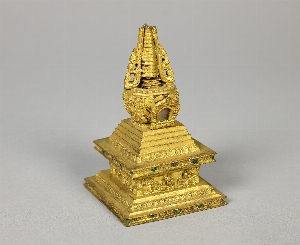
51-4-38

51-4-38

Reliquary

Add to My Finds +
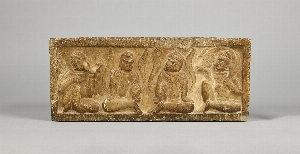
41-6-1

41-6-1

Carving

Add to My Finds +
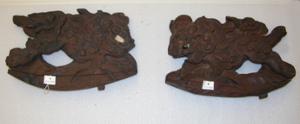
29-96-405B

29-96-405B

Transom

Add to My Finds +
29-96-405A

29-96-405A

Transom

Add to My Finds +
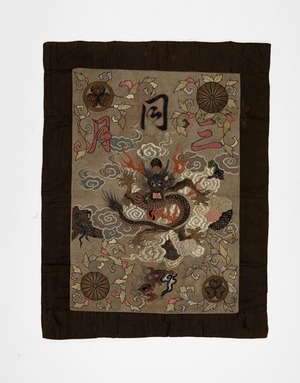
29-96-561

29-96-561

Wall Hanging

Add to My Finds +
C71

C71

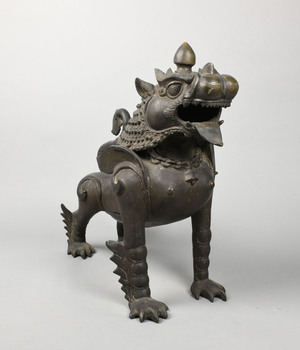
Statuette

Add to My Finds +
A1273

A1273

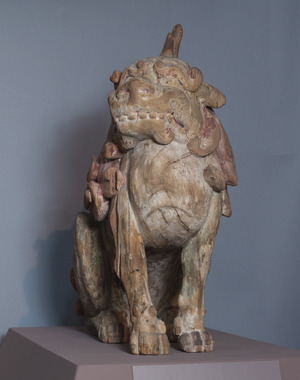
Statue

Add to My Finds +
49-24-1

49-24-1

Ritual Crown

Add to My Finds +
51-4-83

51-4-83

Jar

Add to My Finds +
51-4-88

51-4-88

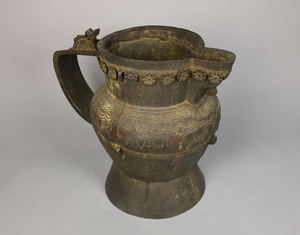
Jug

Add to My Finds +
29-96-345

29-96-345

Statue

Add to My Finds +
A1274

A1274

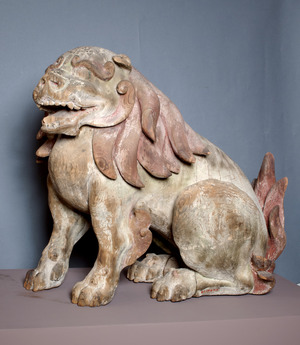
Statue

Add to My Finds +
C450

C450

Scroll Painting

Add to My Finds +
29-96-344

29-96-344

Statue

Add to My Finds +
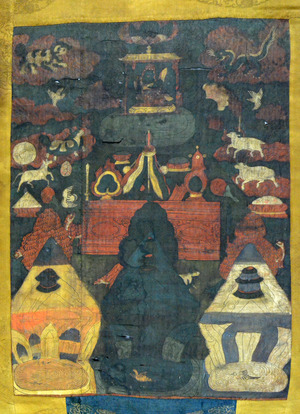
51-4-127

51-4-127

Thangka

Add to My Finds +
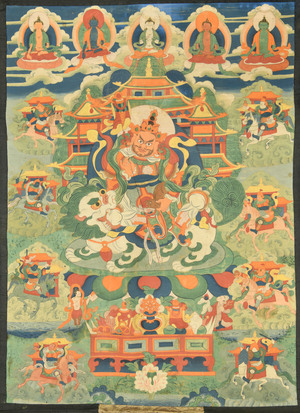
51-4-121

51-4-121

Thangka

Add to My Finds +
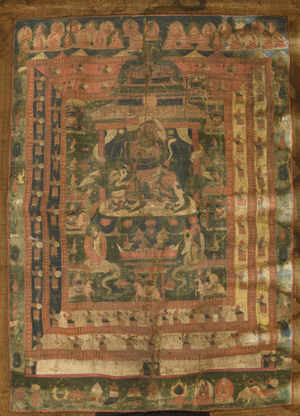
51-4-122

51-4-122

Thangka

Add to My Finds +
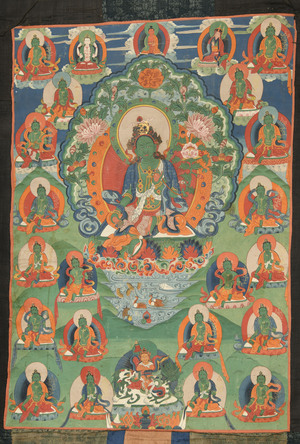
51-4-123

51-4-123

Thangka

Add to My Finds +
29-69-4

29-69-4

On Display

Stela

Add to My Finds +
29-96-330

29-96-330

Statue

Add to My Finds +
30-61-1

30-61-1

Stupa Railing Pillar

Add to My Finds +
34-7-1

34-7-1

On Display

Statue Base

Add to My Finds +
C96

C96

On Display

Statue

Add to My Finds +
C446A

C446A

Stela

Add to My Finds +
C404

C404

On Display

Votive Stela

Add to My Finds +
C693

C693

On Display

Altar Frontal

Add to My Finds +
C446B

C446B

Stela Base

Add to My Finds +
C445

C445

On Display

Statue

Add to My Finds +
C145

C145

On Display

Statue Base

Add to My Finds +

No Image Available

29-96-387

Transom

Add to My Finds +
1 - 30 of 30 Records
Penn Museum Homepage.

3260 South Street Philadelphia, PA 19104

215.898.4000 | © Penn Museum 2026

YouTube icon. Facebook icon. Instagram icon. LinkedIn icon.
ABOUT MEMBERSHIP SUPPORT PRESS HOST AN EVENT
The Penn Museum respectfully acknowledges that it is situated on Lenapehoking, the ancestral and spiritual homeland of the Unami Lenape.

World Wonders in your inbox.

Sign up for our Newsletter
Subscribe
UPenn logo.
Report Web Accessibility Issues and Get Help Contact Terms & Conditions Disclaimer Privacy