

Object Location Map
Browse and discover collection objects from across the globe with the Object Location Map.
The number show represents the number of geocoded locations in the cluster, not the number of objects. Click the location pin to see the number of objects.
 100+ Locations
 10+ Locations
 < 10 Locations
 Single Location
Object cataloging contains place names which are geocoded for display on a map. Click on a location indicator pin or circle to zoom into that area. You can refine your search down to a specific place name. Click the place name link to see objects in the online collections associated with that place.
Please note this map does not capture all Museum objects. Some place name data is either too broad (Asia) or too specific (altar) to geocode. Over 92% of the collection is geocoded here, and you can use collections search to browse and filter on other cataloging information.
Questions/Comments please email digitalmedia@pennmuseum.org
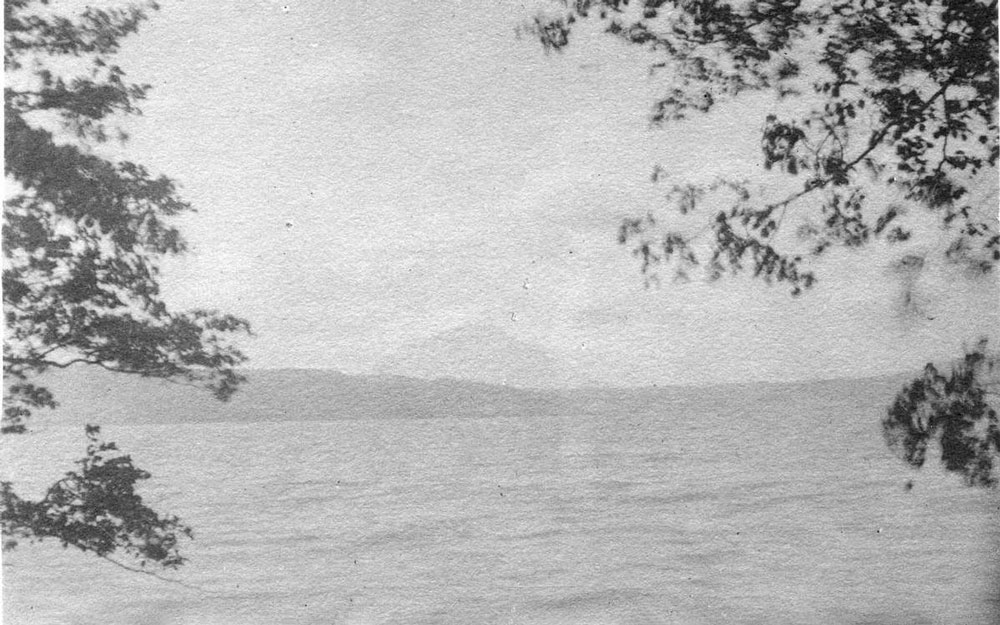
Hokkaido, Japan
In 1901, Hiram M. Hiller Jr. traveled to the northernmost island of Japan, Hokkaido, on behalf of the Penn Museum. The expedition produced over 250 artifacts as well as three journals of notes and numerous lantern slides, providing the Penn Museum with one of the best-documented Ainu collections in the US. Hiller also collected a small sample of pottery from the ancient Jomon culture which dates as far as back 12,000 BCE, some of the oldest known in the world.
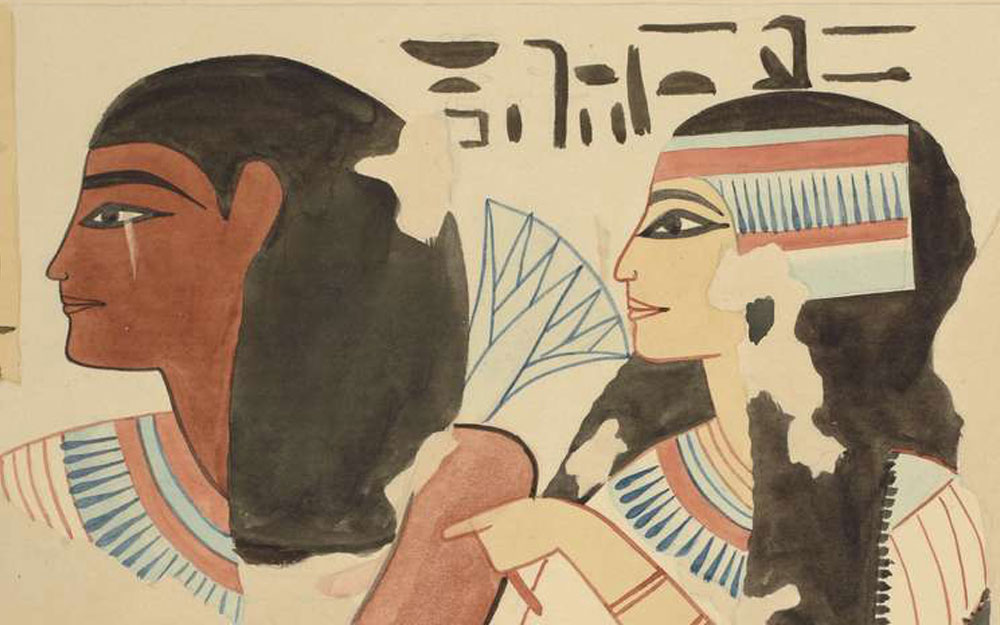
Dra Abu El-Naga, Egypt
Located on the west bank of the Nile near Thebes, the Egyptian site of Dra Abu el-Naga is an important non-royal cemetery or necropolis. From 1921 to 1923, Clarence Fisher excavated at the site, focusing on the tombs of New Kingdom officials and the mortuary complex of the 18th Dynasty King Amenhotep I and his wife Nefertari (1525-1504 BCE).