

Sommerville, Maxwell. Monograph of the Buddhist Temple in the Free Museum of Science and Art, University of Pennsylvania. Philadelphia: 1904. Page/Fig./Plate: 1-47
Reference
- Object[300]
- asian[300]
- altar cup[1]
- ancestral tablet[2]
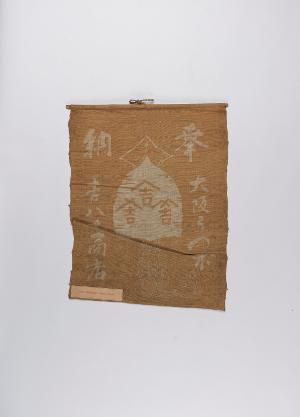
- banner[1]
- bell[1]
- book[1]
- bouquet[1]
- brush[3]
- bust[1]
- candlestick[3]
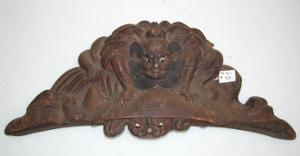
- carving[4]
- censer[4]
- censer lid[2]
- chair[1]
- chancel straws[1]
- cut-out[7]
- divination tool[1]
- drum[4]
- drumstick[2]
- drumsticks[1]
- figure backpiece[1]
- figurine[1]
- flower[4]
- gong[1]
- gong block[1]
- gong rope[1]
- gong stand[1]
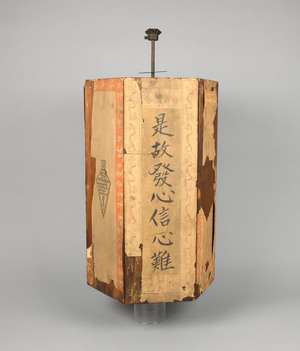
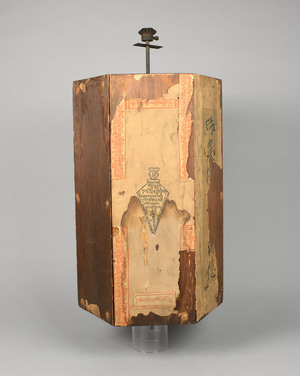
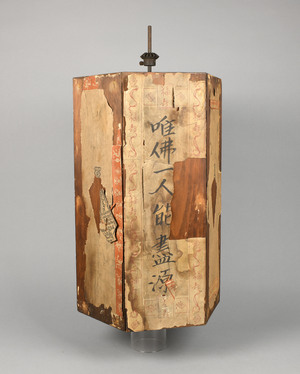
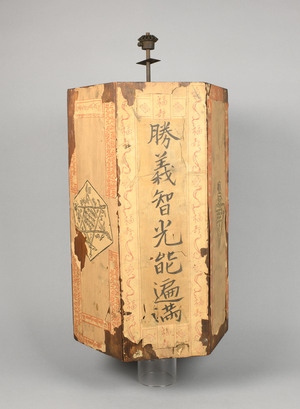
- lantern[4]
- lantern part[1]
- name tablet[2]
- offering cake[4]
- ornament[2]
- pedestal[3]
- plaque[2]
- prayer roll[11]
- prayer wheel[4]
- relief[1]
- reliquary[1]
- scepter[1]
- scroll painting[3]
- shrine[1]
- sistrum[1]
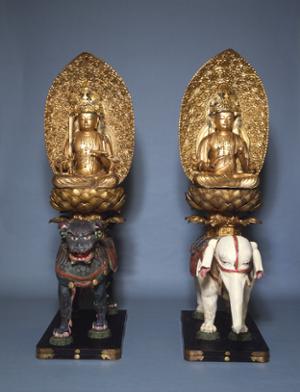
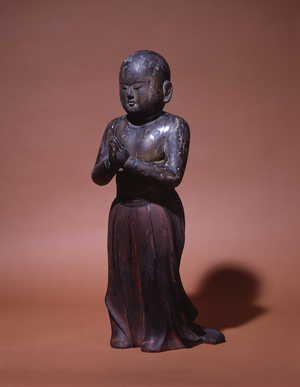
- statue[62]
- statue fragment[1]
- statuette[1]
- symbol[1]
- temple banner[3]
- temple block[2]
- temple lamp[4]
- tile[1]
- towel[83]
- transom[45]
- tray[1]
- vase[8]
- votive offering[10]
- asakusa temple[10]
- asia[5]
- ayutthaya[7]
- buddhist temple[77]
- canton[1]
- china[3]
- chion-in temple[4]
- ginkakuji jishaji[1]
- guangdong[1]
- guangzhou[1]
- hase kwannon temple[1]
- hawa kwannon temple[1]
- higashi honganji[2]
- higashi hongwanji[2]
- hommonji temple[8]
- iemitsu temple[2]
- ieyasu temple[6]
- india[1]
- japan[285]
- kameido temple[2]
- karasaki jinja[3]
- karasaki-jinji[1]
- kasuga-no-miya[3]
- kawasaki daishi[3]
- kinkakuji temple[5]
- kiyomizu temple[1]
- kiyomizu-dera[1]
- kobukuji temple[3]
- korea[1]
- koyasan temple[6]
- kyoto[8]
- miidera temple[3]
- nanzenji temple[2]
- nara[4]
- nikko[4]
- nishi honganji temple[2]
- rinzaiji temple[1]
- saihoji[4]
- sanju-san-gen-do[1]
- sarnath[1]
- sengakuji temple[3]
- shizuoka[1]
- shizuoka prefecture[1]
- tennoji temple[6]
- thailand[7]
- tibet[4]
- tochigi prefecture[4]
- tokyo[3]
- ueno shitayaku[4]
- wakayama prefecture[6]
- 17th century[2]
- 18th century[2]
- 19th century[1]
- 20th century[1]
- bangkok period[7]
- edo period[91]
- kamakura period[1]
- meiji[1]
- meiji period[83]
- qing dynasty[1]
- amanojaku[1]
- amida buddha[2]
- animal[1]
- animals[4]
- bells[3]
- benzaiten[1]
- birds[5]
- bishamonten[3]
- bodhisattva[1]
- buddha[2]
- buddhist symbol[5]
- buddhist symbols?[2]
- bull[1]
- chair[1]
- child[1]
- chrysanthemum[1]
- cloud[1]
- clouds[4]
- crane[1]
- daikoku[1]
- demon[1]
- dharmacakra[1]
- disciples[32]
- dog[2]
- door[3]
- dragon[9]
- drum[2]
- eagle[1]
- ebisu[1]
- elephant[1]
- figure[1]
- fish[2]
- flower basket[1]
- flowers[1]
- flute[1]
- fudo[1]
- fugen[1]
- fukurokuju[1]
- fukusuke[1]
- garden[1]
- god of libation?[1]
- goko[1]
- hare[2]
- hatchet[1]
- heron[1]
- horse[1]
- hotei[2]
- house[4]
- hsieh chai[2]
- human figures[1]
- jewel[2]
- jizo[1]
- jurojin[1]
- kannon[17]
- karyobinga[2]
- kichijoten[1]
- kirin[4]
- kneeling figure[2]
- kneeling woman[1]
- komokuten?[2]
- kongara[1]
- kuko-sho[1]
- kyoyo[2]
- lion[6]
- lotus[10]
- lotus flower[1]
- luohan[1]
- male child[1]
- male figures[1]
- monju[1]
- monk[1]
- monkey[1]
- musical instrument[1]
- musical instrument?[1]
- ono no komachi[1]
- patriarch[1]
- peony[1]
- pilgrim[1]
- pine trees[2]
- plant[1]
- poem[1]
- poet[1]
- prayer[11]
- prayers[4]
- rabbit[2]
- rakan[2]
- rat[3]
- rimbo[1]
- root[3]
- sadaijin[1]
- samurai[1]
- sanko-sho[1]
- sceptre[1]
- seated jizo[2]
- seitaka[1]
- shitenno[2]
- tennin[6]
- tokugawa crest[4]
- trees[2]
- vajra[2]
- chinese language[2]
- english language[11]
- japanese language[109]
- sanskrit[1]
- bamboo[4]
- brass[7]
- bronze[30]
- ceramic[5]
- coral[2]
- cotton[86]
- enamel[1]
- faience[1]
- gesso[1]
- gilding[12]
- gilt[5]
- glass[6]
- glaze[1]
- glue[1]
- gold[1]
- hair[3]
- ink[1]
- iron[1]
- lacquer[18]
- linen[1]
- membrane[1]
- metal[12]
- paint[7]
- paper[26]
- pewter[2]
- pigment[60]
- rope[1]
- rushes[1]
- silk[2]
- silver[1]
- skin[1]
- stone[1]
- straw[1]
- teak[22]
- teakwood[5]
- terracotta[6]
- tortoise shell[1]
- turquoise[2]
- wood[106]
- yes[300]
151 - 180 of 300 Records

151 - 180 of 300 Records