Skip Navigation Penn Museum logo
  • My Finds 0
Online Collections
  • Browse

    Browse

    Search Collections
    Highlights
    Collections Map
    Objects On View
    Video/Film
  • About

    About

    About Collections
    Access the Collections
    Download Data
    Rights and Permissions
  • Read More

    Read More

    Journal (1919-1935)
    Bulletin (1930-1958)
    Expedition (1958-Present)
    Publications
    Our Blog: Penn Museum Voices
    Websites
  • Search
  • Browse
    • Search Collections
    • Highlights
    • Collections Map
    • Objects On View
    • Video/Film
  • About
    • About Collections
    • Access the Collections
    • Download Data
    • Rights and Permissions
  • Read More
    • Journal (1919-1935)
    • Bulletin (1930-1958)
    • Expedition (1958-Present)
    • Publications
    • Our Blog: Penn Museum Voices
    • Websites
  • Search
  • Penn Museum logo
Online Collections
My Finds 0
Online Collections

Legrain, Leon. Terra-Cottas from Nippur. Publications of the Babylonian Section ed. XVI. Philadelphia: University of Pennsylvania Press, 1930. Page/Fig./Plate: 1-52, 445 plates

Reference

  • Object[358]
  • no[11]
  • yes[347]
  • no[341]
  • yes[17]
  • babylonian[1]
  • near eastern[357]
  • 3D Model[2]
  • amulet[1]
  • animal figurine[29]
  • architectural boss[1]
  • barrel cylinder[1]
  • bird figurine[6]
  • brick[1]
  • cast[57]
  • equestrian figurine[3]
  • equestrian figurine fragment[12]
  • equestrian plaque[2]
  • figurine[58]
  • figurine fragment[66]
  • figurine mold[8]
  • fountain[1]
  • fountain fragment[2]
  • furniture model[7]
  • furniture model fragment[1]
  • gameboard[1]
  • human figurine[75]
  • human figurine fragment[11]
  • incense burner[7]
  • incense burner fragment[1]
  • jar stopper[1]
  • lamp[8]
  • model[13]
  • model fragment[2]
  • object[1]
  • plaque[25]
  • plaque fragment[14]
  • rattle[5]
  • relief[2]
  • relief fragment[1]
  • rhyton[2]
  • rubbing stone[1]
  • sherd[4]
  • slipper coffin[1]
  • spout[1]
  • stamp seal[3]
  • tray[2]
  • tray fragment[1]
  • babylon[5]
  • cyprus[1]
  • iraq[351]
  • nippur[342]
  • palmyra[2]
  • phoenicia[3]
  • sidon[1]
  • syria[5]
  • tello[2]
  • turkey (country)[1]
  • tyre[1]
  • warka[1]
  • achaemenid period[4]
  • babylonian[1]
  • early babylonian period[11]
  • late babylonian period[3]
  • middle babylonian period[1]
  • neo-babylonian period[1]
  • parthian[27]
  • parthian period[4]
  • roman period[1]
  • assyrian[1]
  • babylonian[2]
  • early babylonian[1]
  • egyptianizing[9]
  • greek[15]
  • macedonian[1]
  • parthian[6]
  • roman[1]
  • sumerian[1]
  • temple of bel[1]
  • animal[2]
  • animal head[1]
  • ape[1]
  • ape head[1]
  • baby[5]
  • bald man[1]
  • bearded god[2]
  • bearded man[10]
  • bed[2]
  • bed?[1]
  • bel[15]
  • bel?[7]
  • beltis[26]
  • beltis?[3]
  • bird[12]
  • bitch[1]
  • boar[1]
  • boat[1]
  • boy[1]
  • boy?[1]
  • bull[1]
  • bull head[2]
  • calf?[2]
  • camel[3]
  • camel head[2]
  • camel?[1]
  • carpet[1]
  • cat?[1]
  • chariot[5]
  • chariot wheel[1]
  • chariot wheel?[2]
  • chicken[1]
  • club[1]
  • cupid?[1]
  • deer head[1]
  • deity[7]
  • deity?[1]
  • demon head[1]
  • demon?[1]
  • diadem[2]
  • dog[4]
  • dog head[2]
  • dog?[2]
  • draped woman[2]
  • duck[2]
  • eabani[1]
  • elephant[1]
  • emblem[1]
  • enkidu?[1]
  • enlil?[1]
  • equestrian[1]
  • equestrian figurine[1]
  • eros?[1]
  • etana[1]
  • etana?[1]
  • female head[5]
  • flower[1]
  • flute[3]
  • god[3]
  • goddess[3]
  • goddess?[2]
  • headdress[9]
  • horse[17]
  • horse head[5]
  • horse?[2]
  • human[2]
  • human head[4]
  • infant[4]
  • lance[3]
  • lion[3]
  • lioness[2]
  • lovers[2]
  • male head[3]
  • man[13]
  • mask[2]
  • monkey[2]
  • monkey?[2]
  • musician[11]
  • necklace[4]
  • nude woman[27]
  • ox[3]
  • palm tree[2]
  • parthian rider[4]
  • priapus?[2]
  • quadruped[9]
  • ram[2]
  • ram head[4]
  • rider[13]
  • seated woman[2]
  • shrine[2]
  • staff[2]
  • table[3]
  • tambourine[11]
  • tray?[2]
  • veil[2]
  • warrior[2]
  • wheel[5]
  • woman[40]
  • woman?[4]
  • worshipper[4]
  • aramaic language[1]
  • sumerian language[1]
  • bitumen[1]
  • ceramic[22]
  • clay[1]
  • glaze[2]
  • paint[2]
  • plaster[55]
  • stone[3]
  • terracotta[328]
  • glazed[8]
  • incised[9]
  • inlaid[1]
  • painted[5]
  • punched[3]
  • relief[1]
  • yes[358]

61 - 90 of 358 Records
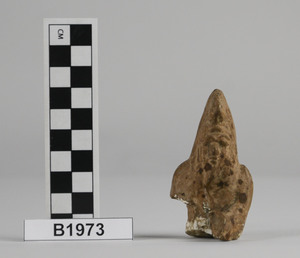
B1973

B1973

Cast

Add to My Finds +
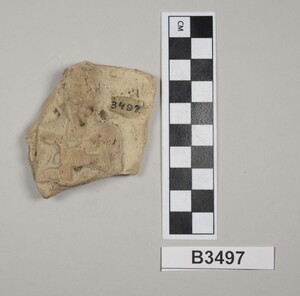
B3497

B3497

Figurine

Add to My Finds +
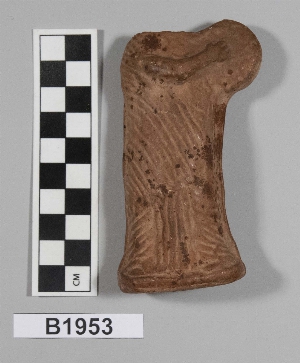
B1953

B1953

Cast

Add to My Finds +
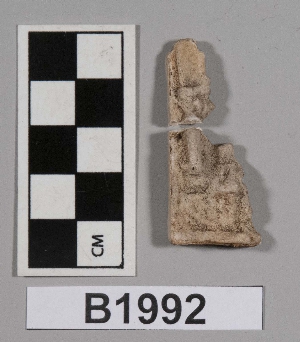
B1992

B1992

Cast

Add to My Finds +
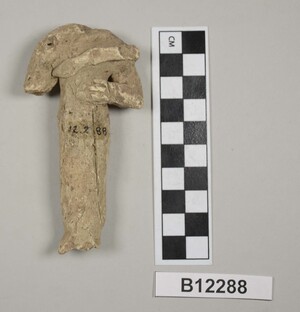
B12288

B12288

Human Figurine

Add to My Finds +
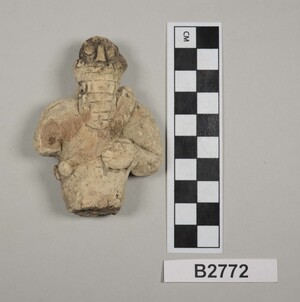
B2772

B2772

Human Figurine

Add to My Finds +
B15509

B15509

Figurine

Add to My Finds +
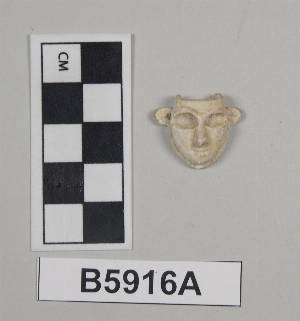
B5916A

B5916A

Cast

Add to My Finds +
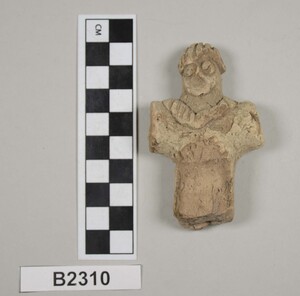
B2310

B2310

Human Figurine

Add to My Finds +
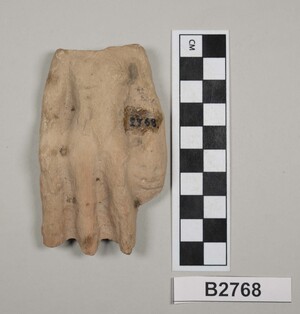
B2768

B2768

Human Figurine

Add to My Finds +
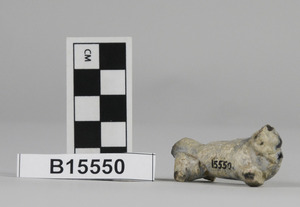
B15550

B15550

Animal Figurine

Add to My Finds +
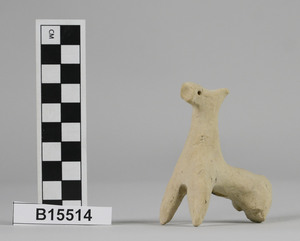
B15514

B15514

Figurine Fragment

Add to My Finds +
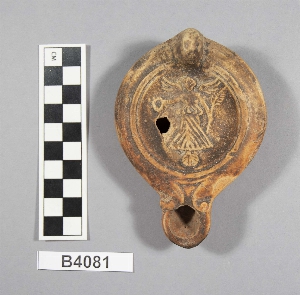
B4081

B4081

Lamp

Add to My Finds +
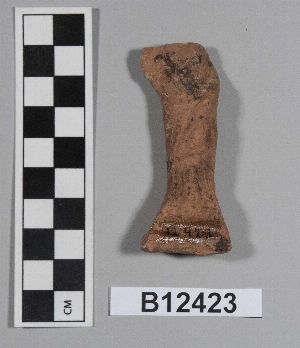
B12423

B12423

Figurine Fragment

Add to My Finds +
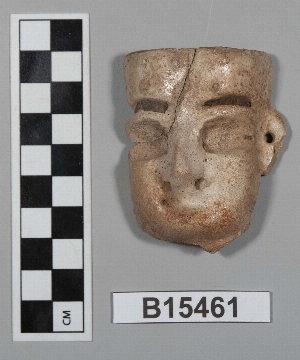
B15461

B15461

Figurine

Add to My Finds +
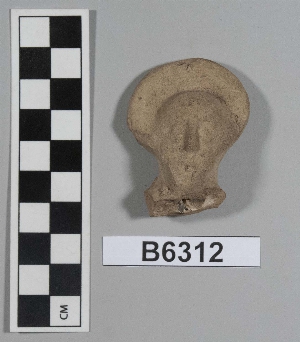
B6312

B6312

Figurine Fragment

Add to My Finds +
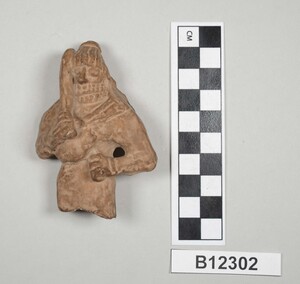
B12302

B12302

Cast

Add to My Finds +
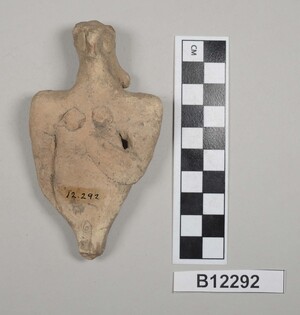
B12292

B12292

Human Figurine

Add to My Finds +
B2853

B2853

Figurine

Add to My Finds +
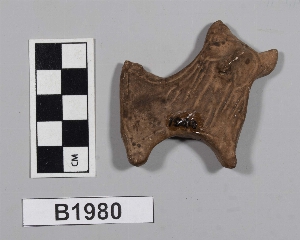
B1980

B1980

Cast

Add to My Finds +
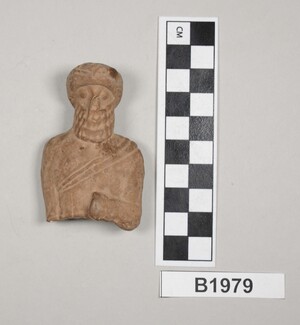
B1979

B1979

Cast

Add to My Finds +
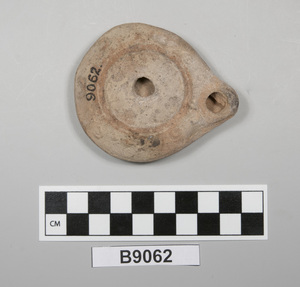
B9062

B9062

Lamp

Add to My Finds +
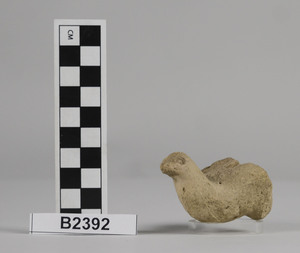
B2392

B2392

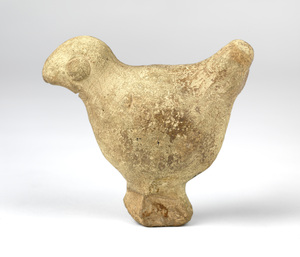
Bird Figurine

Add to My Finds +
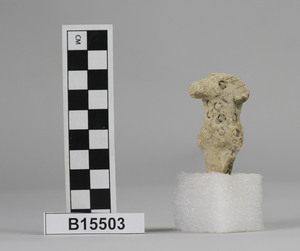
B15503

B15503

Animal Figurine

Add to My Finds +
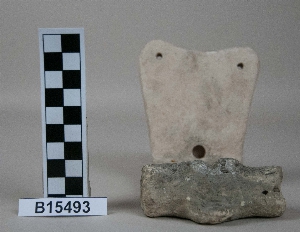
B15493

B15493

Model Fragment

Add to My Finds +
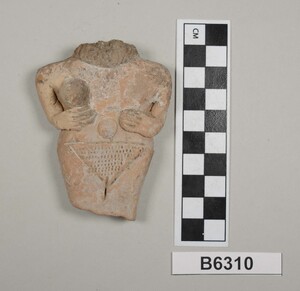
B6310

B6310

Human Figurine Fragment

Add to My Finds +
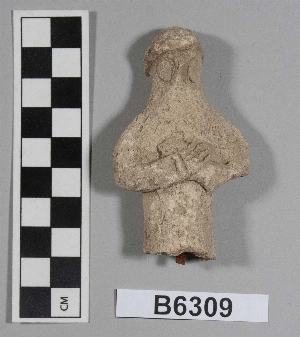
B6309

B6309

Figurine Fragment

Add to My Finds +
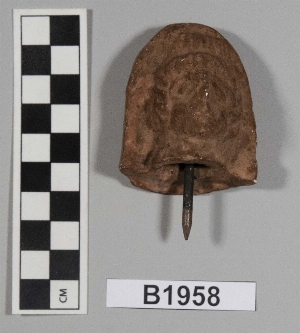
B1958

B1958

Cast

Add to My Finds +
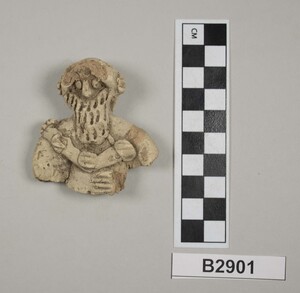
B2901

B2901

Human Figurine

Add to My Finds +
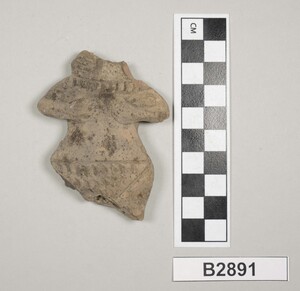
B2891

B2891

Human Figurine

Add to My Finds +
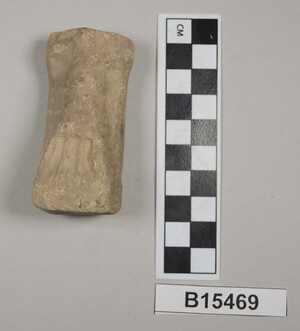
B15469

B15469

Human Figurine

Add to My Finds +
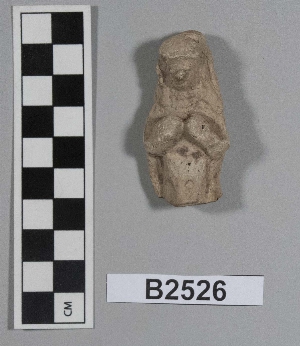
B2526

B2526

Figurine Fragment

Add to My Finds +
  • 1
  • 2
  • 3
  • 4
  • 5
  • 6
  • 7
  • 8
  • 9
  • 10
  • 11
  • 12
61 - 90 of 358 Records
Penn Museum Homepage.

3260 South Street Philadelphia, PA 19104

215.898.4000 | © Penn Museum 2026

YouTube icon. Facebook icon. Instagram icon. LinkedIn icon.
ABOUT MEMBERSHIP SUPPORT PRESS HOST AN EVENT
The Penn Museum respectfully acknowledges that it is situated on Lenapehoking, the ancestral and spiritual homeland of the Unami Lenape.

World Wonders in your inbox.

Sign up for our Newsletter
Subscribe
UPenn logo.
Report Web Accessibility Issues and Get Help Contact Terms & Conditions Disclaimer Privacy