Skip Navigation Penn Museum logo
  • My Finds 0
Online Collections
  • Browse

    Browse

    Search Collections
    Highlights
    Collections Map
    Objects On View
    Video/Film
  • About

    About

    About Collections
    Access the Collections
    Download Data
    Rights and Permissions
  • Read More

    Read More

    Journal (1919-1935)
    Bulletin (1930-1958)
    Expedition (1958-Present)
    Publications
    Our Blog: Penn Museum Voices
    Websites
  • Search
  • Browse
    • Search Collections
    • Highlights
    • Collections Map
    • Objects On View
    • Video/Film
  • About
    • About Collections
    • Access the Collections
    • Download Data
    • Rights and Permissions
  • Read More
    • Journal (1919-1935)
    • Bulletin (1930-1958)
    • Expedition (1958-Present)
    • Publications
    • Our Blog: Penn Museum Voices
    • Websites
  • Search
  • Penn Museum logo
Online Collections
My Finds 0
Online Collections

Lyons, Elizabeth, Heather A. Peters, Ch'eng-mei Chang, and Gregory L. Possehl. Buddhism: History and Diversity of a Great Tradition. Philadelphia: The University Museum, 1985.

Reference

  • Object[70]
  • no[4]
  • yes[66]
  • no[70]
  • asian[70]
  • 3D Model[2]
  • altar bowl[1]
  • altar lamp[2]
  • architectural corner fragment[1]
  • bas relief[1]
  • base[2]
  • bell[1]
  • bowl[1]
  • bowl lid[1]
  • carving[1]
  • chair[1]
  • charm belt[1]
  • charm box[1]
  • cloth[1]
  • cymbal[2]
  • drum[1]
  • figure[1]
  • frieze[1]
  • holy water vase[1]
  • lama horn[2]
  • mandorla[2]
  • manuscript[1]
  • miniature[1]
  • model[1]
  • mural fragment[2]
  • painting[1]
  • pedestal[5]
  • phurpa[2]
  • prayer[1]
  • prayer wheel[2]
  • relic box[2]
  • ritual object[1]
  • scroll painting[1]
  • seed[1]
  • shrine[3]
  • shrine facade[1]
  • skull bowl base[1]
  • statue[12]
  • statue component[2]
  • statue fragment[5]
  • statuette[4]
  • stupa railing[1]
  • teapot[1]
  • temple hanging[1]
  • thangka[2]
  • throne[1]
  • trumpet[2]
  • wine cup[1]
  • aipao[1]
  • amaravati[1]
  • bezeklik caves[2]
  • buddhist temple[6]
  • burma[8]
  • cambodia[1]
  • chamdo[1]
  • china[4]
  • gandhara[4]
  • india[2]
  • japan[22]
  • manchuria[1]
  • mathura[1]
  • nepal[2]
  • pakistan[4]
  • takht-i-bahi[1]
  • thailand[5]
  • tibet[24]
  • xinjiang[2]
  • 18th century[1]
  • 19th century[8]
  • ayutthaya period[1]
  • dvaravati period[1]
  • edo period[10]
  • kamakura period[1]
  • kushan[1]
  • late andhra[1]
  • late konbaung[1]
  • liao dynasty[1]
  • mandalay period[8]
  • meiji period[9]
  • ming dynasty[1]
  • sukhothai period[1]
  • tang dynasty[2]
  • buddhist[56]
  • burmese[8]
  • chan buddhist[1]
  • chinese[5]
  • greco-buddhist[1]
  • indian[2]
  • japanese[22]
  • khmer[1]
  • mon[1]
  • mongol[1]
  • nepalese[4]
  • thai[4]
  • tibetan[22]
  • abhaya mudra[1]
  • amida buddha[2]
  • amitabha buddha[1]
  • amitayus buddha[1]
  • animal[2]
  • animals[1]
  • attendants[1]
  • bhumisparsa mudra[1]
  • birth of the buddha[1]
  • bodhisattva[2]
  • bodhisattva head[1]
  • bow[1]
  • brahma[1]
  • buddha[7]
  • buddha head[2]
  • buddhist symbols[1]
  • child[1]
  • conch shell[2]
  • crown[1]
  • dancer[1]
  • death of the buddha[1]
  • demon[1]
  • demons[2]
  • deva[1]
  • devas[1]
  • dragon[1]
  • ebisu[1]
  • eight buddhist symbols[2]
  • eighteen luohans[1]
  • elephant[2]
  • faces[1]
  • fish[3]
  • flowers[1]
  • fugen[2]
  • god of fury[1]
  • goddess[1]
  • guanyin[2]
  • guardian king[1]
  • head[1]
  • heaven[1]
  • hell[1]
  • high lama[1]
  • human figures[1]
  • human head[2]
  • inscription[1]
  • jataka tales[1]
  • jinja taishou[1]
  • lion[2]
  • lotus[8]
  • luohan[1]
  • mahakala[1]
  • maleyya[1]
  • monju[2]
  • monk[1]
  • mule[1]
  • mystic knot[2]
  • naga[1]
  • naropa[1]
  • nat[1]
  • ogre[1]
  • padmasambhava[1]
  • pagoda[1]
  • prince[3]
  • putti[1]
  • rosettes[1]
  • sakka[1]
  • sakyamuni buddha[1]
  • sea[1]
  • seated buddha[1]
  • shotoku taishi[1]
  • sita samvara[1]
  • snake[1]
  • standing buddha[2]
  • stupa[2]
  • sun[1]
  • tara[2]
  • tiger[1]
  • tosachat[1]
  • tsongkhapa[1]
  • umbrella[2]
  • ushnishavijaya[1]
  • vajrasattva[1]
  • vara mudra[1]
  • vase[2]
  • wheel of the law[2]
  • white tara[1]
  • xuanzang[1]
  • chinese language[1]
  • german language[2]
  • japanese language[4]
  • sanskrit[2]
  • tibetan language[3]
  • bark paper[1]
  • bone[1]
  • brass[13]
  • brocade[1]
  • bronze[7]
  • carnelian[1]
  • ceramic[2]
  • clay[3]
  • cloth[3]
  • copper[7]
  • copper alloy[6]
  • coral[4]
  • cotton[1]
  • cowrie shell[1]
  • elephant ivory[1]
  • fabric[1]
  • gesso[2]
  • gilded[1]
  • gilding[7]
  • gilt[6]
  • glass[4]
  • gold leaf[1]
  • iron[1]
  • ivory[1]
  • lacquer[3]
  • leather[1]
  • metal[4]
  • paint[8]
  • paper[4]
  • pigment[7]
  • sandstone[2]
  • schist[1]
  • seed[1]
  • shell[1]
  • silk[3]
  • silver[8]
  • skin[2]
  • slate[3]
  • stone[3]
  • teak[7]
  • terracotta[1]
  • textile[2]
  • tin[2]
  • turquoise[4]
  • wood[25]
  • bas relief[1]
  • carved[26]
  • chased[2]
  • embroidered[1]
  • fresco[2]
  • frieze[1]
  • gilded[13]
  • gilt[4]
  • lacquered[3]
  • nailed[2]
  • northern thai style[1]
  • painted[12]
  • qiu ying[1]
  • shuho[1]
  • style of li gonglin[1]
  • yes[70]
Not On Display

61 - 70 of 70 Records

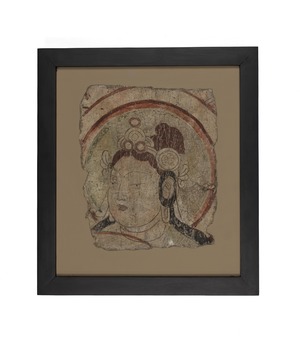
C413B

C413B

Mural fragment

Add to My Finds +
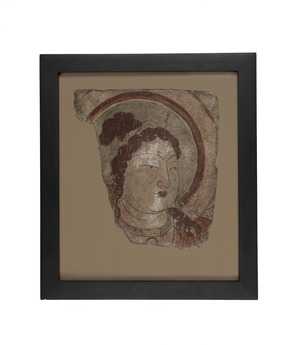
C412

C412

Mural fragment

Add to My Finds +

No Image Available

84-13-1

Architectural Corner Fragment

Add to My Finds +

No Image Available

43-22-1

Statue

Add to My Finds +

No Image Available

85-18-2

Statue

Add to My Finds +

No Image Available

29-96-555

Temple Hanging

Add to My Finds +
  • 1
  • 2
  • 3
61 - 70 of 70 Records
Penn Museum Homepage.

3260 South Street Philadelphia, PA 19104

215.898.4000 | © Penn Museum 2026

YouTube icon. Facebook icon. Instagram icon. LinkedIn icon.
ABOUT MEMBERSHIP SUPPORT PRESS HOST AN EVENT
The Penn Museum respectfully acknowledges that it is situated on Lenapehoking, the ancestral and spiritual homeland of the Unami Lenape.

World Wonders in your inbox.

Sign up for our Newsletter
Subscribe
UPenn logo.
Report Web Accessibility Issues and Get Help Contact Terms & Conditions Disclaimer Privacy