Skip Navigation Penn Museum logo
  • My Finds 0
Online Collections
  • Browse

    Browse

    Search Collections
    Highlights
    Collections Map
    Objects On View
    Video/Film
  • About

    About

    About Collections
    Access the Collections
    Download Data
    Rights and Permissions
  • Read More

    Read More

    Journal (1919-1935)
    Bulletin (1930-1958)
    Expedition (1958-Present)
    Publications
    Our Blog: Penn Museum Voices
    Websites
  • Search
  • Browse
    • Search Collections
    • Highlights
    • Collections Map
    • Objects On View
    • Video/Film
  • About
    • About Collections
    • Access the Collections
    • Download Data
    • Rights and Permissions
  • Read More
    • Journal (1919-1935)
    • Bulletin (1930-1958)
    • Expedition (1958-Present)
    • Publications
    • Our Blog: Penn Museum Voices
    • Websites
  • Search
  • Penn Museum logo
Online Collections
My Finds 0
Online Collections

Getz, John. The University Museum Exhibition of Oriental Art. Philadelphia: The University Museum, 1916.

Reference

  • Object[80]
  • no[6]
  • yes[74]
  • no[62]
  • yes[18]
  • asian[80]
  • 3D Model[1]
  • axis column[1]
  • bas relief[1]
  • book cover[1]
  • figurine[1]
  • headdress[1]
  • lid[1]
  • magic horn[2]
  • manuscript[1]
  • painting[6]
  • pedestal[1]
  • phurpa[1]
  • relic box[1]
  • reliquary[4]
  • reliquary base[1]
  • ritual object[2]
  • scepter[1]
  • scroll painting[3]
  • statue[22]
  • statue base[3]
  • statue fragment[1]
  • statuette[18]
  • statuette content[1]
  • stela[1]
  • stela base[1]
  • stupa[5]
  • tablet[1]
  • teapot[1]
  • temple bell[1]
  • thangka[2]
  • vajra bell[1]
  • votive[1]
  • water vessel[1]
  • chihli[5]
  • china[37]
  • hebei[7]
  • henan[1]
  • japan[4]
  • jiaozuo[1]
  • lhasa[1]
  • nepal[13]
  • qixian monastery[1]
  • shaanxi[3]
  • tibet[29]
  • xiangtangshan[6]
  • yixian[1]
  • 14th century[1]
  • 15th century[1]
  • 16th century[1]
  • 17th century[2]
  • 18th century[1]
  • 19th century[2]
  • jin dynasty[1]
  • liao dynasty[1]
  • ming dynasty[11]
  • northern qi[1]
  • northern qi dynasty[11]
  • qing dynasty[7]
  • song dynasty[1]
  • sui dynasty[1]
  • tang dynasty[7]
  • wanli[2]
  • wei dynasty[1]
  • buddhist[80]
  • chan buddhist[1]
  • chinese[36]
  • daoist[1]
  • indo-chinese[1]
  • nepalese[11]
  • tibetan[30]
  • tibetan buddhist[1]
  • 8 buddhist symbols[1]
  • abhaya mudra[1]
  • abhedya[1]
  • akshobhya buddha[1]
  • amida buddha[2]
  • amida nyorai[1]
  • amitabha buddha[1]
  • ananda[2]
  • apsaras[1]
  • arhat[3]
  • attendants[1]
  • avalokitesvara[2]
  • bagua[1]
  • bakula[1]
  • baptism of buddha[1]
  • bhumisparsa mudra[3]
  • bird[1]
  • bird spirit king[1]
  • birth of sakyamuni[1]
  • birth of the buddha[1]
  • bodhisattva[13]
  • bodhisattva head[1]
  • buddha[9]
  • buddha head[1]
  • buddhist deities[1]
  • buddhist literature[1]
  • buddhist symbols[2]
  • censer[1]
  • chorten[1]
  • conversion of ajnata kaundinya[1]
  • dainichi nyorai[1]
  • demon[1]
  • devarajas[1]
  • devas[1]
  • dharmacaka mudra[1]
  • dharmachakra mudra[1]
  • dhyani buddhas[1]
  • disciple[1]
  • dogar[1]
  • dorje[2]
  • dorji[1]
  • dragon[3]
  • dragon king[1]
  • drum?[1]
  • earth deities[1]
  • eighteen luohans[1]
  • elephant[2]
  • elephant spirit king[1]
  • enlightenment[1]
  • flowers[1]
  • gopaka[1]
  • green tara[1]
  • guanyin[2]
  • gyalwa lopzang takpa[1]
  • heads[1]
  • horse[2]
  • incense burner[3]
  • inscription[1]
  • jewels[1]
  • jīvaka[1]
  • kannon[1]
  • kannon bosatsu[1]
  • kanthaka[2]
  • kasyapa[1]
  • khorvadjig buddha[1]
  • lama[1]
  • landscape[1]
  • life of the buddha[2]
  • lion[8]
  • lotus[6]
  • lotus bud[2]
  • luohan[7]
  • machig labdron[1]
  • magic square[1]
  • maha matri?[1]
  • mahasthamaprapta[1]
  • maitreya[2]
  • makara[2]
  • mandarava[1]
  • manjusri[2]
  • miracle of sravasti[1]
  • miracle of the four begging bowls[1]
  • monks[3]
  • mountain spirit king[1]
  • musicians[1]
  • nakula[1]
  • namaskara mudra[1]
  • noh chu lo[1]
  • nuojuluo[1]
  • offerings[1]
  • ogre[1]
  • padmasambhava[1]
  • parinirvana[1]
  • pearl spirit king[1]
  • philosophy[1]
  • sakyamuni buddha[3]
  • stupa[6]
  • thunderbolt[3]
  • tsongkhapa[2]
  • vajra[6]
  • chinese language[8]
  • nepalese language[2]
  • sanskrit[2]
  • tibetan dbu can script[1]
  • tibetan language[10]
  • brass[13]
  • bronze[19]
  • clay[2]
  • copper[4]
  • copper alloy[9]
  • gilding[6]
  • gilt[10]
  • glass[2]
  • glaze[1]
  • gold[1]
  • gold leaf[3]
  • hemp[1]
  • horn (animal part)[1]
  • iron[1]
  • ivory[1]
  • jade[1]
  • lacquer[1]
  • limestone[11]
  • marble (stone)[9]
  • metal[1]
  • paint[3]
  • paper[2]
  • pigment[6]
  • silk[3]
  • silver[4]
  • stone[6]
  • wood[4]
  • bas relief[1]
  • carved[24]
  • cut out[1]
  • embossed[3]
  • engraved[3]
  • fired[1]
  • formed[2]
  • gilded[8]
  • gilt[10]
  • glazed[1]
  • granulation[1]
  • high relief[1]
  • inscribed[3]
  • lacquered[1]
  • low relief[3]
  • painted[18]
  • pasted[1]
  • three color glaze[1]
  • unglazed[1]
  • woven[1]
  • li fan[2]
  • qiu ying[2]
  • style of li gonglin[1]
  • unknown[2]
  • yes[80]
buddhist

61 - 80 of 80 Records

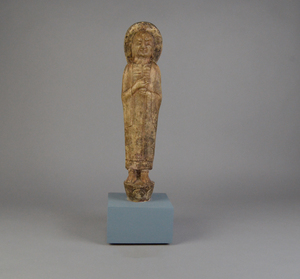
C150

C150

On Display

Statue

Add to My Finds +
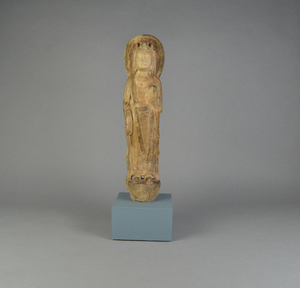
C106

C106

On Display

Statue

Add to My Finds +
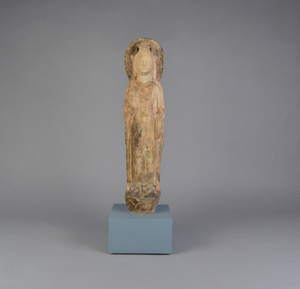
C105

C105

On Display

Statue

Add to My Finds +
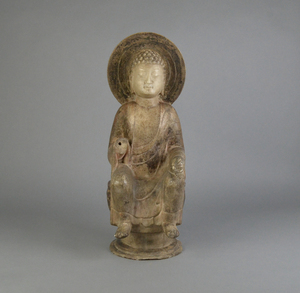
C108

C108

On Display

Statue

Add to My Finds +
C107

C107

On Display

Statue

Add to My Finds +
C104

C104

On Display

Statue

Add to My Finds +
A1411

A1411

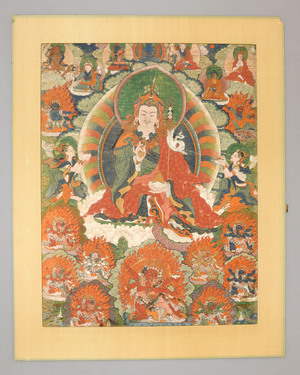
Thangka

Add to My Finds +
C447

C447

On Display

Statue

Add to My Finds +
C446B

C446B

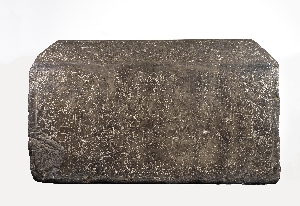
Stela Base

Add to My Finds +
C445

C445

On Display

Statue

Add to My Finds +

No Image Available

C109

Figurine

Add to My Finds +

No Image Available

29-198-1

Painting

Add to My Finds +

No Image Available

A1125

Statuette

Add to My Finds +

No Image Available

A1436

Statuette

Add to My Finds +

No Image Available

C111

On Display

Statue

Add to My Finds +

No Image Available

C112

On Display

Statue

Add to My Finds +
  • 1
  • 2
  • 3
61 - 80 of 80 Records
Penn Museum Homepage.

3260 South Street Philadelphia, PA 19104

215.898.4000 | © Penn Museum 2026

YouTube icon. Facebook icon. Instagram icon. LinkedIn icon.
ABOUT MEMBERSHIP SUPPORT PRESS HOST AN EVENT
The Penn Museum respectfully acknowledges that it is situated on Lenapehoking, the ancestral and spiritual homeland of the Unami Lenape.

World Wonders in your inbox.

Sign up for our Newsletter
Subscribe
UPenn logo.
Report Web Accessibility Issues and Get Help Contact Terms & Conditions Disclaimer Privacy