

The Artifacts of Ancient Egypt. National Museum of History, Republic of China, 1985.
Reference
- Object[69]
- yes[69]
- egyptian[69]
- axe blade[1]
- bead string[1]
- bowl[1]
- canopic jar[1]
- canopic jar lid[1]
- coffin box[1]
- collar[1]
- cup[1]
- dish[2]
- figurine[2]
- head rest[2]
- human remains[1]
- jar[2]
- kohl tube[1]
- manuscript[2]
- mirror[1]
- model[3]
- mummy[1]
- mummy mask[2]
- offering table[1]
- offering tray[3]
- ostracon[1]
- palette[1]
- pitcher[1]
- relief[1]
- sarcophagus lid[1]
- sculptor's model[2]
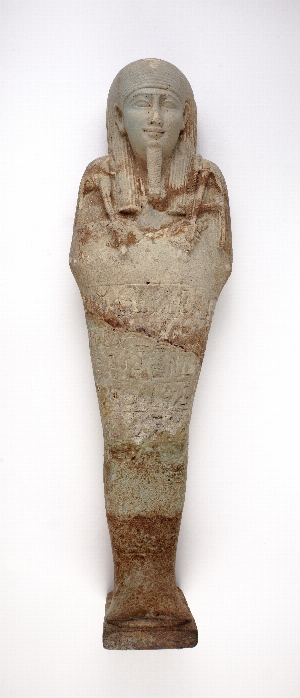
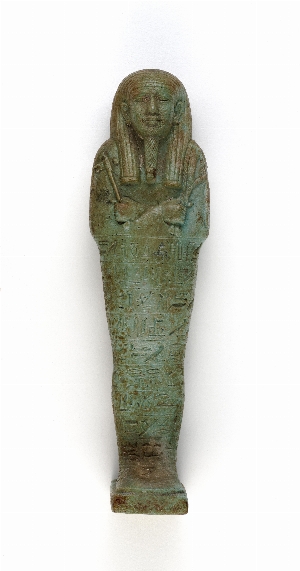
- shawabti[10]
- spearhead[1]
- spouted jar[1]
- statue[8]
- statue fragment[1]
- statuette[3]
- stela[5]
- vase[2]
- wine jar[1]
- wine jar lid[1]
- abydos[12]
- ballas[3]
- bubastis[1]
- buhen[3]
- dendereh[3]
- deshasheh[1]
- dra abu el-naga[7]
- edfu[1]
- egypt[66]
- el-kab[1]
- hawara[1]
- kahun[1]
- karnak[1]
- memphis (egypt)[1]
- meydum[2]
- mit-rahineh[3]
- naqada[5]
- nubia[3]
- sudan[3]
- thebes (egypt)[8]
- umm el-ga'ab[1]
- upper egypt[2]
- abydos[1]
- early ptolemaic[1]
- egyptian early dynastic[2]
- egyptian predynastic period[3]
- eighteenth dynasty[11]
- first dynasty[2]
- late middle kingdom[1]
- late new kingdom[3]
- late period[8]
- late predynastic[1]
- middle kingdom[3]
- middle predynastic[1]
- naqada ii[2]
- new kingdom[21]
- nineteenth dynasty[8]
- old kingdom[2]
- post nineteenth dynasty[1]
- ramses xi[1]
- roman period[1]
- saite period[1]
- second intermediate period[1]
- sixth dynasty[1]
- third intermediate period[6]
- thirtieth dynasty[1]
- tuthmosis iii[1]
- twelfth dynasty[3]
- twenty-first dynasty[4]
- twenty-second dynasty[5]
- twenty-seventh dynasty[1]
- twenty-sixth dynasty[6]
- twenty-third dynasty[1]
- graeco-roman[1]
- ptolemaic[1]
- roman[2]
- 25:511 a/x22[1]
- 303 x/1[2]
- ans30 - tomb of hor[1]
- cemetery[1]
- dan 3[1]
- e 145[1]
- e 155[1]
- e 193[1]
- gr1206[1]
- gr624[1]
- grave 727 ?[1]
- grave 813[1]
- h10[1]
- h40[1]
- j2[1]
- l.c. vi[1]
- lc6; 2/60/x/3[1]
- niche in wall surface debris 510[1]
- possibly from the deir el bahri royal cache[1]
- ramesseum; originally from the temple precinct of mut at karnak.[1]
- room 101[1]
- rp.6e(w)[1]
- t 7[1]
- tomb 19[1]
- tomb 314[1]
- tomb of bebat[1]
- tomb of king djet (tomb z)[1]
- tomb w33[1]
- antelope[1]
- anubis[2]
- ape[1]
- ba bird[1]
- baboon[1]
- bag[1]
- bed[1]
- bes[1]
- bird[1]
- book of the dead[2]
- bread[1]
- bread loaf[1]
- bull head[1]
- cake[1]
- cartouche[1]
- cat[2]
- coffin[1]
- couch[1]
- diefankh[1]
- drawing[1]
- duamutef[1]
- falcon head[1]
- fish[2]
- funeral[1]
- goddess[1]
- harp[1]
- harpocrates[1]
- hathor[1]
- haunch of beef[1]
- henuttawy[1]
- horus[3]
- human[2]
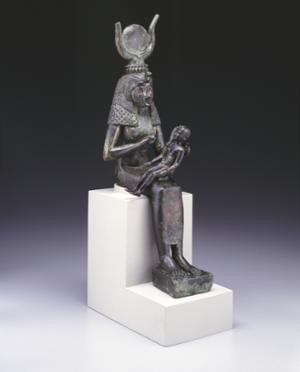
- isis[3]
- jackal[2]
- king[2]
- knife[1]
- lion[1]
- lotus[1]
- male deity[1]
- male head[1]
- man[2]
- man?[1]
- monkey[1]
- neith[1]
- nephthys[1]
- offering stand[1]
- offering table[3]
- osiris[3]
- panther[1]
- papyrus[1]
- papyrus flower[1]
- prince[1]
- ptah[1]
- queen[1]
- ram[1]
- re`[1]
- scorpion[1]
- seated male[1]
- sekhmet[1]
- sycamore[1]
- thoth[1]
- tree[1]
- turtle[1]
- tuthmosis iii?[1]
- tutu[1]
- uraeus[1]
- wine jar[1]
- woman[1]
- hieroglyphic[20]
- bronze[10]
- calcite[1]
- cartonnage[1]
- ceramic[12]
- faience[13]
- gilt[1]
- gold[2]
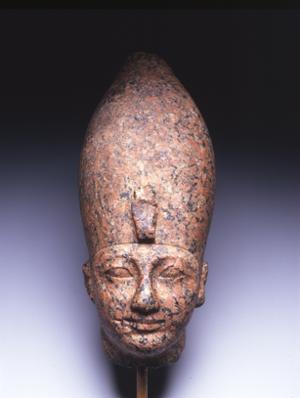
- granite[1]
- granodiorite[1]
- human remains[1]
- ink[3]
- ivory[1]
- limestone[16]
- paint[5]
- papyrus[2]
- pigment[5]
- plaster[1]
- quartz monzonite[1]
- quartzite[1]
- slate[1]
- steatite[1]
- terracotta[1]
- volcanic ash[1]
- wood[7]
- black top ware[1]
- gilded[1]
- hollow cast[1]
- incised[4]
- inlaid[2]
- inscribed[1]
- painted[7]
- raised relief[1]
- red ware[1]
- sunk relief[1]
- yes[69]

61 - 69 of 69 Records
61 - 69 of 69 Records