

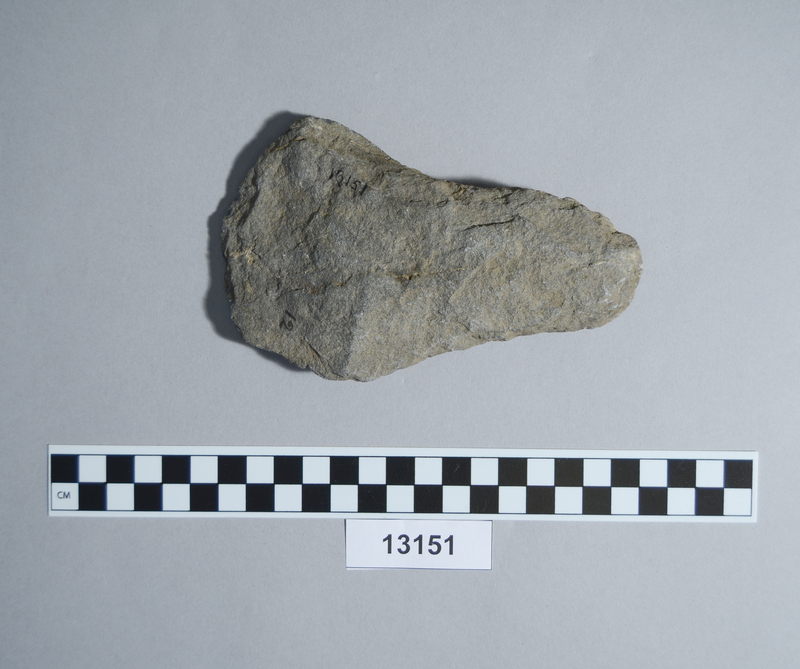
Adze
13151
From: Japan | Honshu | Chubu Region | Nagano Prefecture | Ina-gun
Curatorial Section: Asian
| Object Number | 13151 |
| Current Location | Collections Storage |
| Culture | Late Paleolithic (uncertain) | Jomon (uncertain) | Japanese |
| Provenience | Japan | Honshu | Chubu Region | Nagano Prefecture | Ina-gun |
| Period | Late Paleolithic (uncertain) | Jomon (uncertain) |
| Date Made | Late Paleolithic, Japan - Jomon |
| Section | Asian |
| Materials | Stone |
| Technique | Flaked |
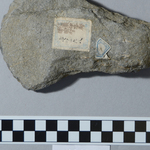
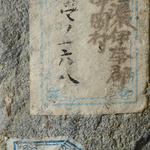
| Inscription Language | Japanese Language | Japanese Language |
| Description | Adze. Unifacially chipped. Widened cutting edge. Thicker at opposite end. Grey stone. Unground adzes may have been used as a hoe for digging and harvesting roots, bulbs and other wild plants. They could also have served as a woodworking tool. They were made from pebbles which were carefully selected for their shape. The cutting edge was created by chipping at either one or both sides to form a sharp edge. The opposite end is usually thicker. |
| Length | 15.4 cm |
| Width | 9.2 cm |
| Thickness | 3 cm |
| Credit Line | Exchange with the Japanese Commissioner, World's Columbian Exposition, 1893 |
| Other Number | 12 - Other Number |
Report problems and issues to digitalmedia@pennmuseum.org.