


| Native Name | Pouaka Whakairo |
| Object Number | P3203B |
| Current Location | Collections Storage |
| Culture | Maori |
| Provenience | New Zealand |
| Period | Te Huringa I Period |
| Date Made | 1800 - 1900 CE |
| Section | Oceanian |
| Materials | Wood | Abalone |
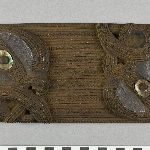
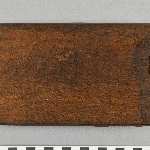
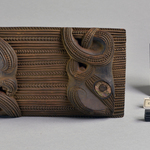
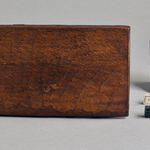
| Description | A rectangular pouaka whakairo (treasure box) made of carved wood. Figures with with pāua (abalone) shell eyes as handles on short sides. Surface decoration consisting of dog-tooth notches and parallel ridges (rauponga). Late 19th century Arawa. A pouaka whakairo is a carved wooden box used to contain personal belongings that are important to the owner. These items were generally used for adornment and could be feathers that were used in the hair, pendants, combs, etc. Because the items kept within the wakahuia carried the mana of their owners and ancestors, the wakahuia itself became a sacred object, symbolising the transmission of identity, status, and history through generations. Wakahuia were typically suspended from the ceilings of Māori homes, signifying both protection and reverence for their contents. There was also a practical aspect of the box being suspended, as this meant that people could see the intricate carvings underneath. A wakahuia served not only a practical role but also a deeply spiritual one, preserving and honouring the mana of those who had come before. Pouaka whakairo are distinct from whakairo and papahou, as they have higher sides and are more square/rectangular in form. They are thought to have been invented post-contact, as the first known pouaka whakairo is thought to have been made in 1830. |
| Length | 20 cm |
| Width | 11.2 cm |
| Credit Line | Purchased from the J. C. Stevens Auction Rooms, 1912 |
| Other Number | 27560 - Dealer's Number | 48a - Dealer's Number |
Report problems and issues to digitalmedia@pennmuseum.org.