

| Native Name | Kahu Huruhuru |
| Object Number | 65-47-1 |
| Current Location | Collections Storage |
| Culture | Maori |
| Provenience | New Zealand |
| Locus | North Island |
| Period | Te Huringa I Period |
| Date Made | 1800 - 1900 CE |
| Section | Oceanian |
| Materials | New Zealand Flax | Feather |
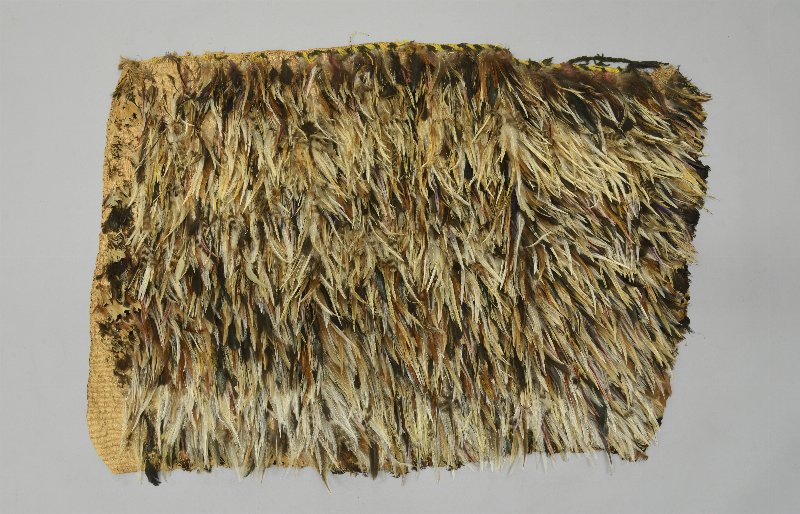
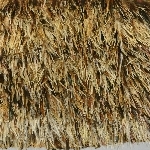
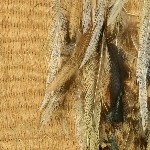
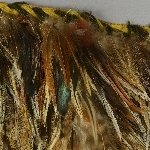
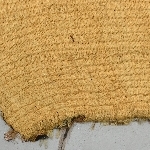
| Description | A rectangular kahu huruhuu (feather cloak) made of a muka (processed New Zealand flax) base. The feathers are mostly kiwi, with some cream and brown striped chicken feathers mixed in. There are small bunches and single kaka (New Zealand parrot) feathers towards the bottom. The brown and black and mottled brown/black/white feathers along the bottom and side borders are from the male ring-necked pheasant, and the iridescent black feathers in the borders and among the kiwi feathers are chicken feathers. The kahu huruhuru is a Māori cloak adorned entirely with feathers. These cloaks are made by carefully attaching thousands of feathers from native birds such as the kākā, kiwi, kererū, tūī, kākāpō, to a finely woven muka (flax fiber) base. Each feather is bent and woven into the weft rows using a method similar to that used in rain capes, with the feather shaft folded back on itself to hold it securely in place. The process is incredibly time-consuming and requires immense skill and patience. Each kahu huruhuru is a taonga (treasure), worn during significant events, serving as a powerful symbol of whakapapa (ancestry) and mana. |
| Length | 73 cm |
| Width | 104 cm |
| Credit Line | Gift of Robert P. Davey, 1965 |
Report problems and issues to digitalmedia@pennmuseum.org.