



| Native Name | Kahu Huruhuru |
| Object Number | P3081A |
| Current Location | Collections Storage |
| Culture | Maori |
| Provenience | New Zealand |
| Period | Te Huringa I Period |
| Date Made | 1800 - 1900 CE |
| Section | Oceanian |
| Materials | New Zealand Flax | Wool | Parrot Feather |
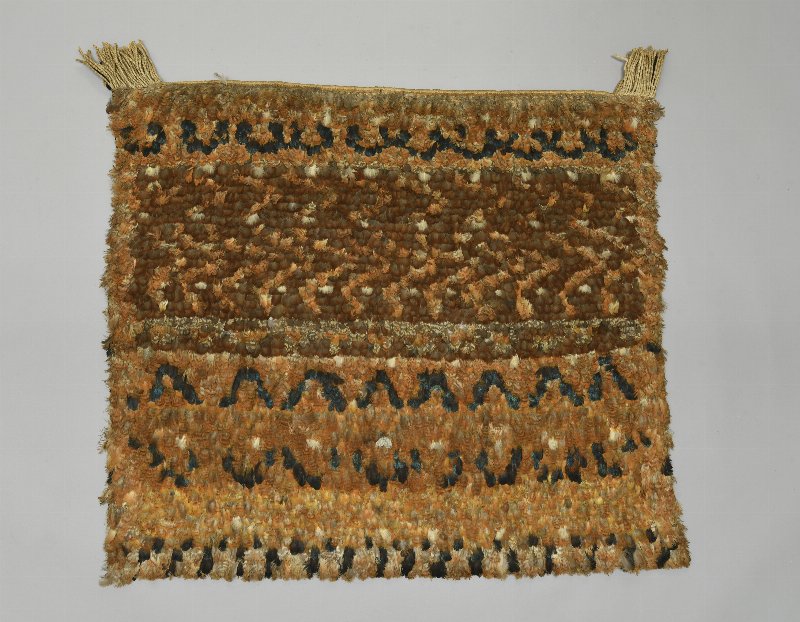
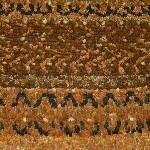
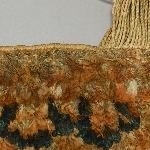
| Description | A kahu huruhuru (feather cloak) made by a traditional twining technique, but not of the usual muka (processed New Zealand flax). Fringe for 9-9.5 cm. at corners of top end, rest turned under. Black wool yarn along the sides. Short feathers in orange, red, iridescent green/blue, and white. The green/blue feathers form four broad zig-zag stripes. The orange feathers are from the kākā's (parrot) underwing, the red feathers from the kākā's belly, and the blackish-blue feathers are tūī body feathers. The kahu huruhuru is a Māori cloak adorned entirely with feathers. These cloaks are made by carefully attaching thousands of feathers from native birds such as the kākā, kiwi, kererū, tūī, kākāpō, to a finely woven muka (flax fiber) base. Each feather is bent and woven into the weft rows using a method similar to that used in rain capes, with the feather shaft folded back on itself to hold it securely in place. The process is incredibly time-consuming and requires immense skill and patience. Each kahu huruhuru is a taonga (treasure), worn during significant events, serving as a powerful symbol of whakapapa (ancestry) and mana (power). |
| Length | 90.5 cm |
| Width | 105.5 cm |
| Credit Line | Purchased from W. O. Oldman, 1912 |
| Other Number | 797 - Other Number | CG031189-8059 - Found in Collection Number |
Report problems and issues to digitalmedia@pennmuseum.org.