

| Native Name | Pare | Kōrupe |
| Object Number | 29-93-40 |
| Current Location | Collections Storage |
| Culture | Maori |
| Provenience | New Zealand |
| Period | Te Huringa I Period |
| Date Made | 1800 - 1900 CE |
| Section | Oceanian |
| Materials | Wood | Abalone |
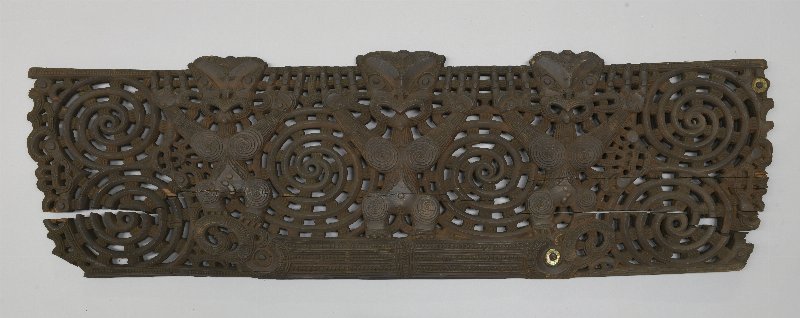
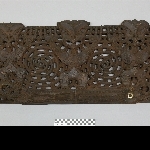
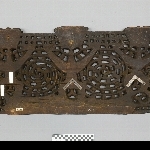
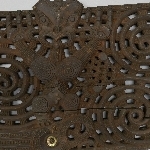
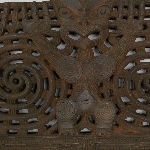
| Description | A wooden pare (door lintel) or kōrupe (window lintel) made of one rectangular piece of wood. Openwork carving, central motif of three figures with upraised arms. Each arm terminates in a manaia (spiritual guardian) head. Each figure is separated from the other by takarangi (double spiral) spirals. Each figure on the lintel would have had pāua (abalone) shell eyes; only two remain. Underneath the figures is a panel of rauponga (a combination of haehae, parallel lines, and pakati, dog tooth notches) surface decoration with manaia (spiritual guardian) figures at either end of the panel. Pare and kōrupe are important architectural elements relating to a wharenui (meeting house). The pare is a carved lintel hung above the doorway, often symbolizing protection and serving as a spiritual threshold between the outside world and the sacred interior of the building. The kōrupe is a carved lintel hung above a window. It can consist of carvings that are made to represent ancestors or elements of spiritual protection. |
| Height | 40 cm |
| Length | 150 cm |
| Credit Line | Purchased from the Estate of George Byron Gordon, 1927 |
| Other Number | 28 - Other Number |
Report problems and issues to digitalmedia@pennmuseum.org.