

Online Collections
Explore Penn Museum collections information, images, archival films, and more.
Notice for Collections Content
These records describe cultural and historical items that may be culturally sensitive. Records may document human remains or contain names, images, or recordings of deceased individuals. Records might include language that is outdated, offensive, or incorrect. These are based on past collecting practices and interpretations and may not reflect current views and values of the Penn Museum. See Statements and Policies for more information and updated practices.
We update records regularly and encourage and welcome members of descendant communities, scholars, and others to contact us with feedback, questions, or concerns.
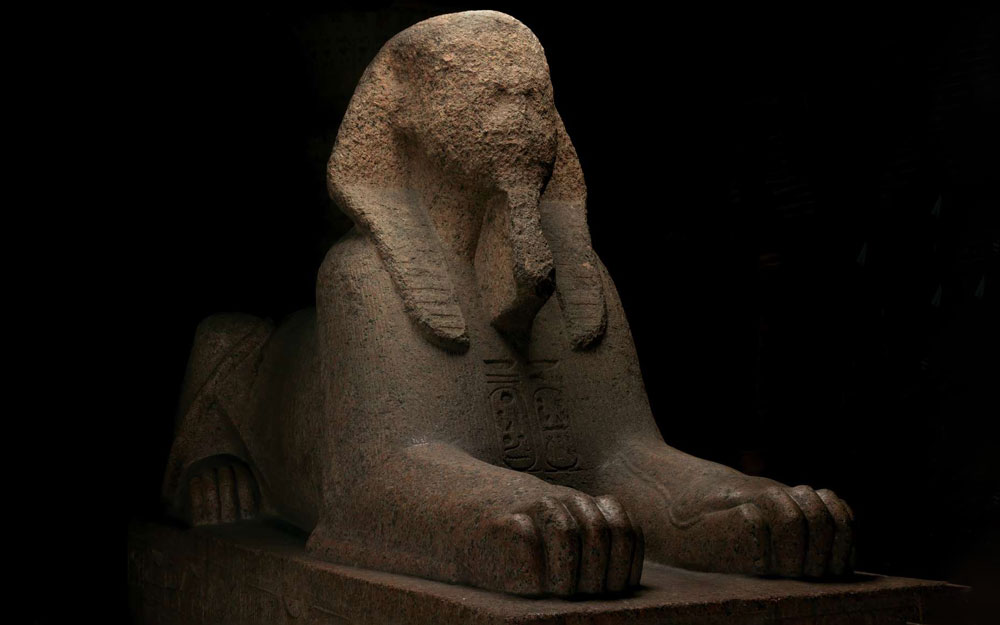
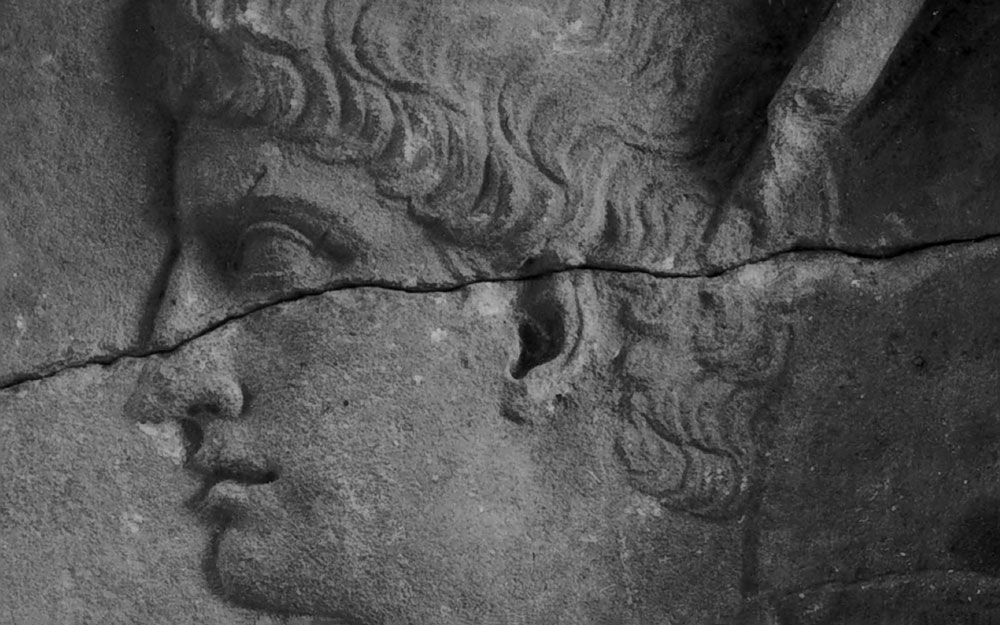
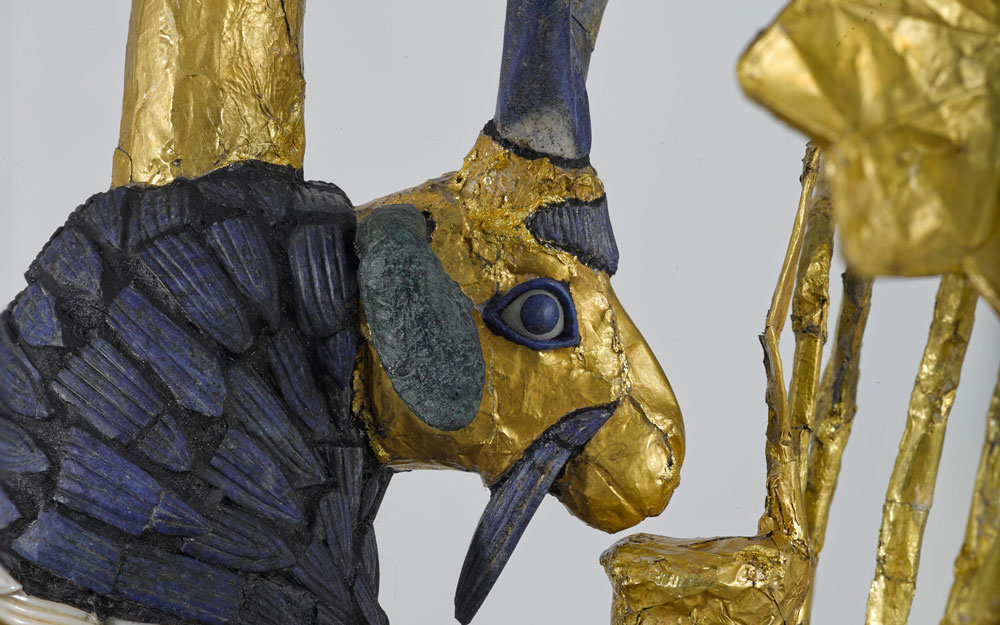
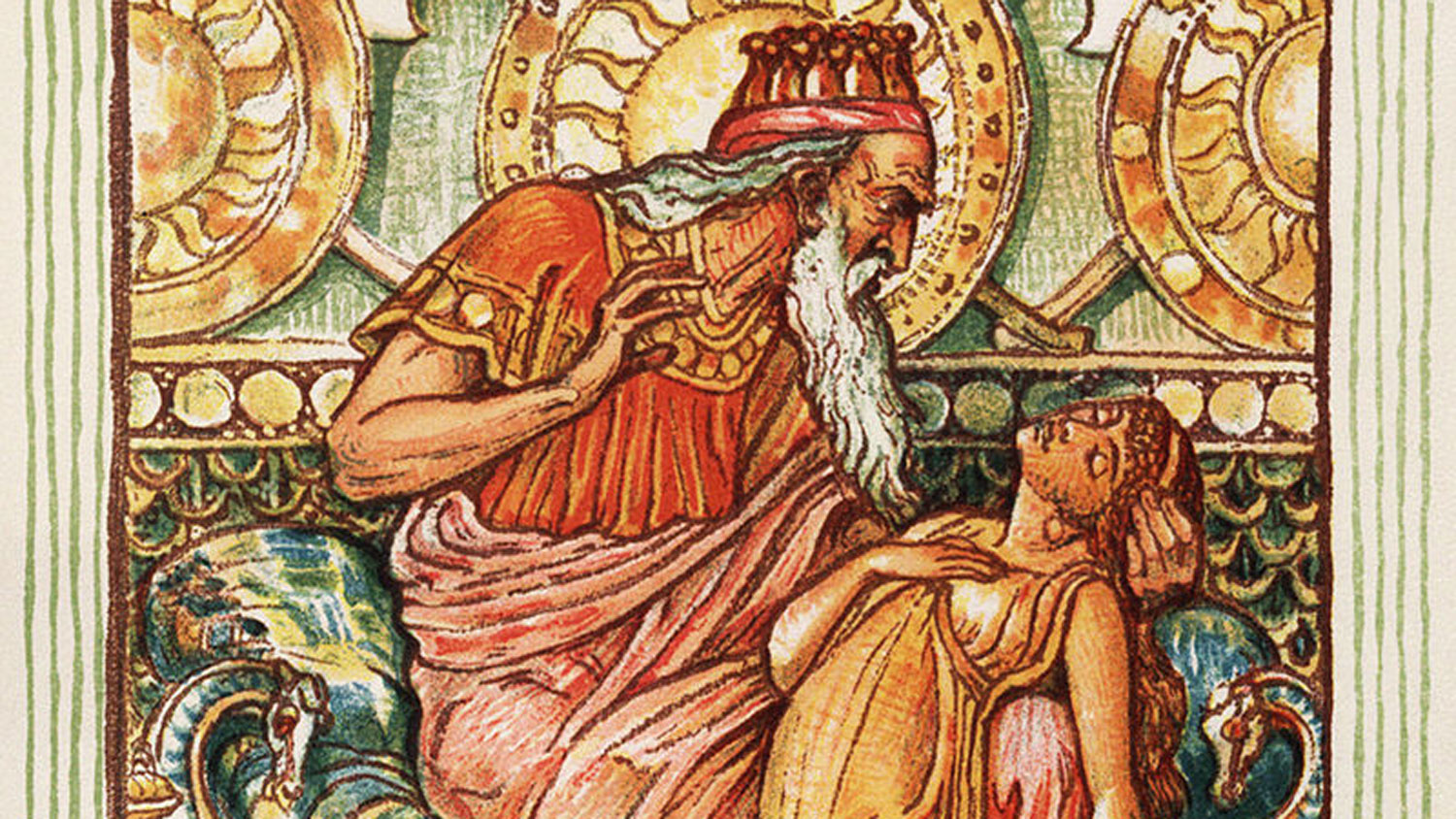
Great Myths and Legends
2015-2016 Lecture Series
Amazonian warrior women, Genghis Khan, even King Midas and his golden touch — all have their moment in the spotlight with the Penn Museum's popular Great Myths and Legends evening lecture series, featuring leading scholars from the Penn Museum, the University of Pennsylvania, and beyond.
Watch Series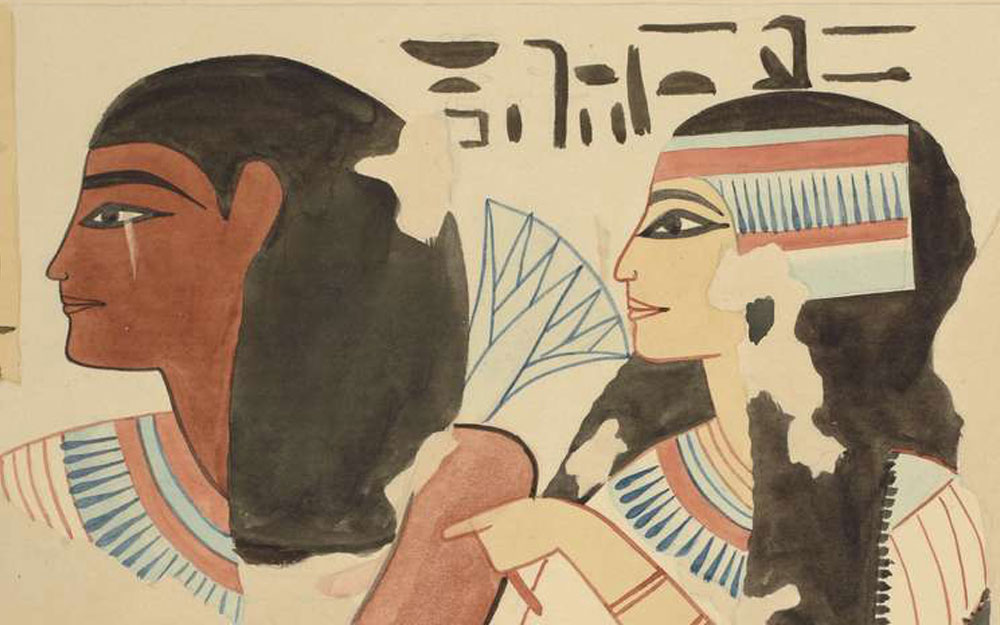
Dra Abu El-Naga, Egypt
Located on the west bank of the Nile near Thebes, the Egyptian site of Dra Abu el-Naga is an important non-royal cemetery or necropolis. From 1921 to 1923, Clarence Fisher excavated at the site, focusing on the tombs of New Kingdom officials and the mortuary complex of the 18th Dynasty King Amenhotep I and his wife Nefertari (1525-1504 BCE).
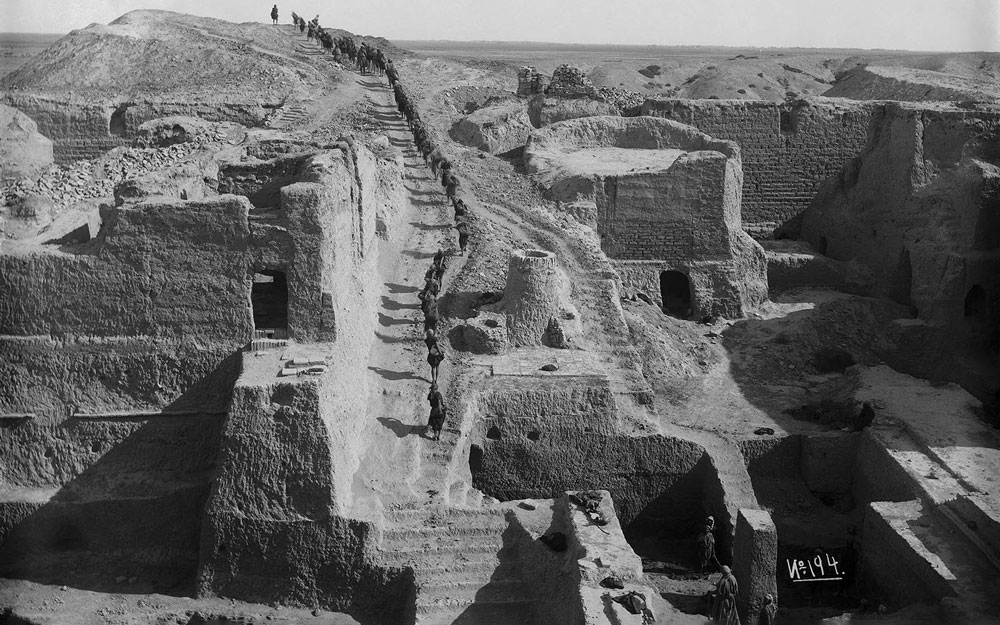
Ur, Iraq
Located in southern Iraq, Ur was one of the most famous archaeological excavations during the early 20th century. The work at Ur brought the magic of archaeology to life, particularly by tying the discoveries into familiar biblical stories. Between 1922 and 1934, the Joint Expedition of the British Museum and the Penn Museum uncovered some of the most well-known and celebrated art from ancient Mesopotamia.